Wearable & Lifelogging Cameras
The Best Cameras for Travel Vlogs in 2026
Wearable, pocketable, and stabilized — the cameras that survive airport security, jet-lagged shoots, and the temptation to pack too much glass.
The first decision happens at the front door, not the gate. One small camera in a jacket pocket, or three cameras, two batteries, four mounts, and a charging brick the size of a paperback. We have packed both ways. The first trip is the one you remember; the second is the one you spend rearranging a backpack at a security tray.
This is a guide for travelers who actually film, not gear collectors who occasionally travel. We will recommend three cameras, one set of glasses, and one honest non-recommendation.
The handheld pick: DJI Osmo Pocket 3
If we could pack one camera, this is it. The Pocket 3 puts a 1-inch sensor on a 3-axis mechanical gimbal in a body that fits next to a passport. Low-light is genuinely good, not “good for its size” — night markets, lantern-lit streets, dim hotel bars are all workable. 4K/120 is overkill on a phone screen and exactly right when you slow down a shot of a train arriving.
It is not waterproof. It is not hands-free. It is the closest thing to a small camera with a steadicam built in.
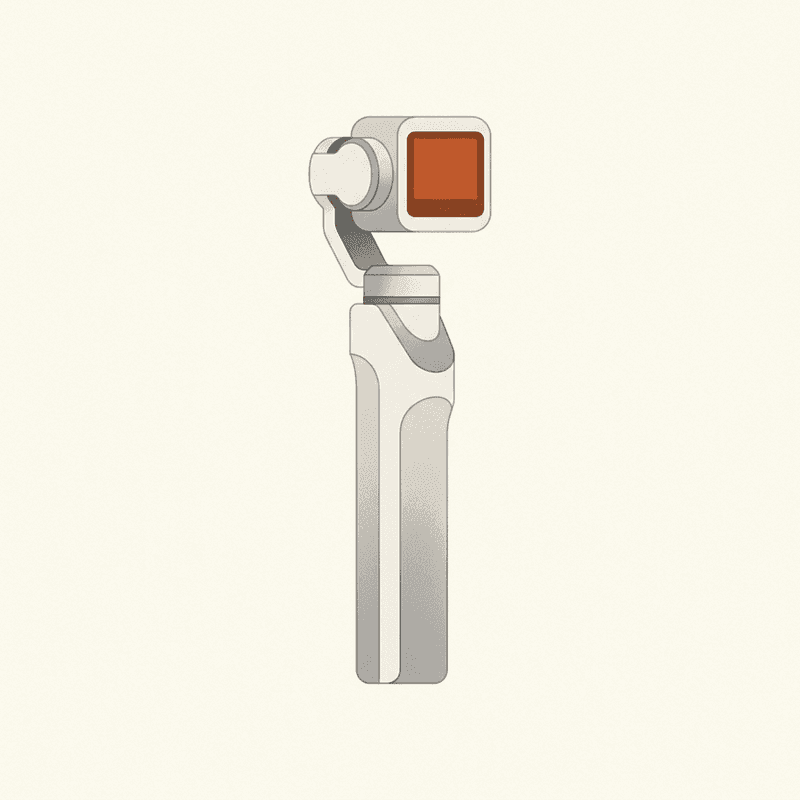
DJI Osmo Pocket 3
Not a true wearable — a pocket gimbal — but the best handheld pick for travel-vlog footage.
Best for: Travel vloggers who want stabilized, low-light-capable footage without a wearable.
Review note: A strong travel-vlog camera with excellent stabilized footage, but it is a handheld pocket gimbal rather than a true lifelogging wearable.
Pros
- 1" sensor, 4K/120
- 3-axis mechanical gimbal
- Excellent in low light
Cons
- Not hands-free
- Larger than a lifelogger
- No real waterproof rating
The wearable: Insta360 GO 3S
There are moments your hands are full. A street-food vendor handing you a plate, a stroller in one hand and a suitcase in the other, queuing through immigration. The GO 3S is for those moments: 39 grams, magnetic clip, 4K/30, an Action Pod dock that doubles battery and gives you a viewfinder.
The core unit’s battery life on its own is short. Pack the dock. Treat the GO 3S as a B-camera that captures the parts of a trip you would otherwise narrate from memory.

Insta360 GO 3S
The closest modern relative to the Narrative Clip's everyday wearability — 4K, magnetic clip, and a separate dock for longer captures.
Best for: Hands-free lifelogging and POV creators who want the smallest possible 4K camera.
Review note: The strongest Narrative Clip-style recommendation because it combines a tiny magnetic body, usable 4K footage, and an offline file workflow when you want one.
Pros
- Pebble-sized, ~39 g — clips magnetically through clothing
- 4K/30 video and FlowState stabilization
- Action Pod dock works as a remote viewfinder and extends battery
- IPX8 splash and shallow-water rating on the core unit
Cons
- Battery on the core unit is short on its own — best paired with the dock
- Wide fixed lens; no optical zoom
- Editing flow assumes the Insta360 app
The action pick: GoPro HERO 13 Black
“Travel” means different things. If yours involves surfboards, kayaks, mountain passes, or any plan that ends with the phrase “we’ll see what the weather does,” bring the HERO 13. It shoots 5.3K/60 and 4K/120, survives 10 meters underwater without a case, and has the largest mount ecosystem in the category by a wide margin.
It is not subtle. It is not pocketable in a normal sense. The battery, realistically, lasts an hour to ninety minutes at the settings you actually want. Bring two spares and a charger that handles them both at once.
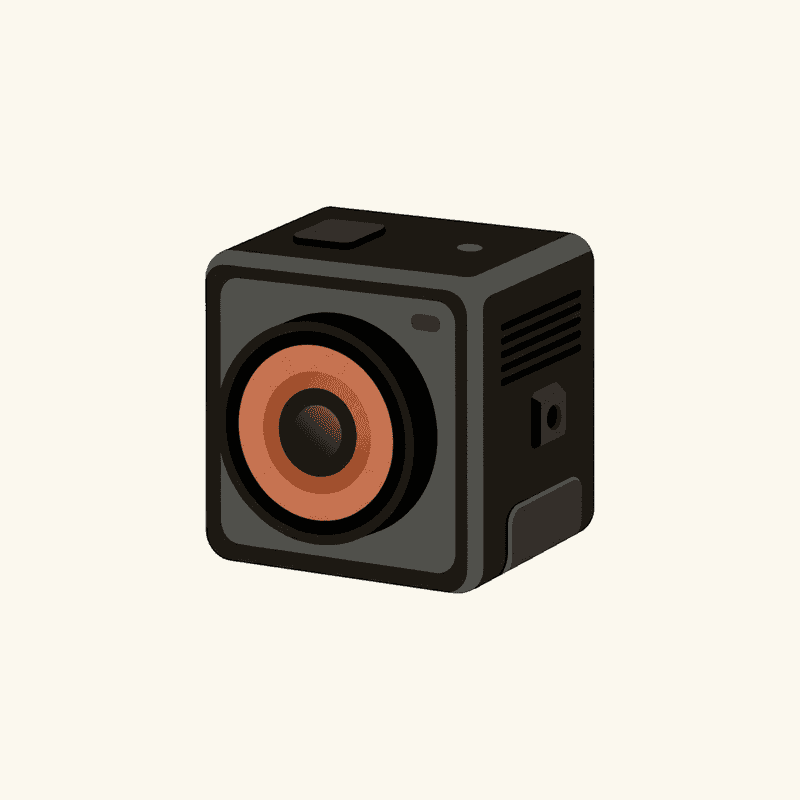
GoPro HERO 13 Black
The most capable wearable action camera — overkill for casual lifelogging, ideal if you want the same kit for vlogs and sports.
Best for: Creators who need a single durable camera for vlogs, sports, and occasional hands-free use.
Review note: The best rugged all-rounder for buyers who want one camera for sports, POV footage, and occasional lifelogging rather than an all-day wearable.
Pros
- 5.3K/60 and 4K/120 with HyperSmooth stabilization
- Waterproof to 10 m without a case
- Magnetic-latch mounts and a broad accessory ecosystem
- GP-Lens swap system on HERO 13 for ND/macro/wide options
Cons
- Bulkier than a true lifelogger — most people will not wear it all day
- Battery realistically 1–1.5 h at high settings
- Subscription unlocks the best cloud/editing flow
The “no camera” answer
Sometimes your phone wins. A current flagship — iPhone, Pixel, the recent Samsungs — shoots stabilized 4K, handles low light better than the GoPro, and is already in your hand when the moment arrives. Editing happens on the same device. Sharing happens in the same app.
We would not buy a dedicated travel camera if the answer to “what does this do that my phone doesn’t” comes back as “nothing specific.” A gimbal, a wider lens, true waterproofing, hands-free capture — those are real reasons. “I want to feel like a traveler with a camera” is not.
The glasses option, with caveats
The Ray-Ban Metas are the most socially functional camera in this lineup. They look like sunglasses because they are. The 12 MP ultrawide sensor and 1080p video are good enough for B-roll, and the capture LED is visible enough to (mostly) satisfy bystanders. Battery is around four hours of mixed use, which covers a typical day out if you are not also streaming music through them.
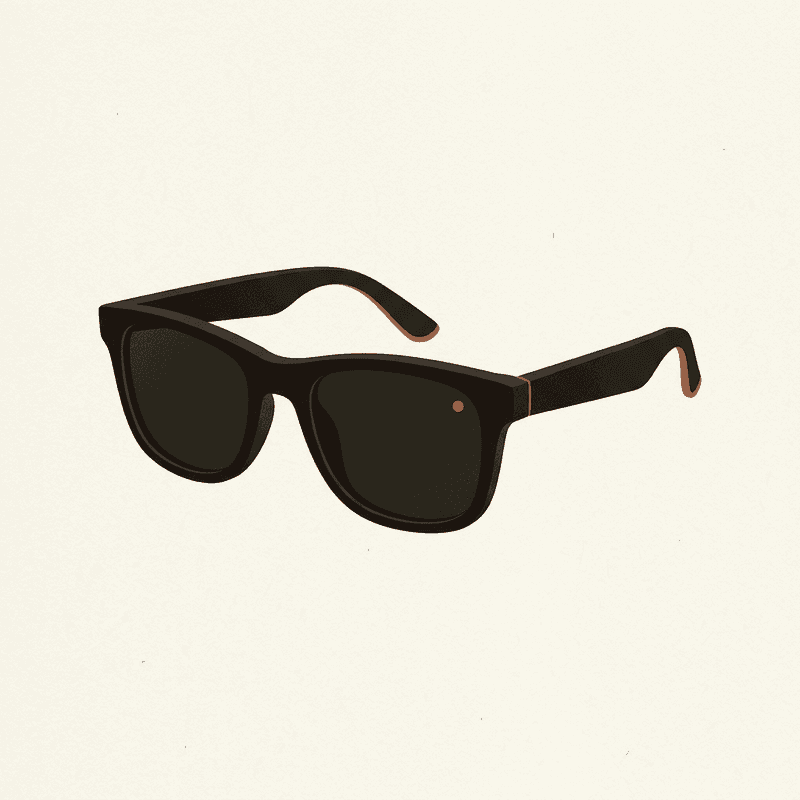
Ray-Ban Meta Smart Glasses
A socially acceptable hands-free camera you can wear daily — quality is good, but cloud and AI features lean on Meta accounts.
Best for: Daily wearers who want POV photos and short clips without holding a camera.
Review note: The best daily-wear option for quick POV photos and short clips, held back by Meta account dependence and limited local-first control.
Pros
- 12 MP ultrawide; up to 1080p video
- Capture LED signals recording to bystanders
- Works as Bluetooth headphones and AI assistant
- Looks like normal sunglasses
Cons
- Short clips only; not designed for hours of continuous capture
- Tied to Meta View app and account
- Limited control over local-only workflows
The catch is the same as with every smart-glass product since 2013: your footage lives behind an account and an app. Meta View today, something else tomorrow, possibly nothing in five years. We have written elsewhere about the Narrative Clip and what happens when the company that controls your footage decides it is done. Glasses are not exempt.
What we would actually pack
A Pocket 3 in a jacket pocket. A GO 3S clipped under a shirt for the bits where the Pocket isn’t fast enough to come out. A small lav mic for sit-down shots. That’s it. No GoPro unless we are getting in water.
Three cameras sounds like a lot until you weigh them. Together they are lighter than a mid-size DSLR with one lens, fit in a single packing cube, and charge from one USB-C brick.
A word on audio
The best travel-vlog camera in the world will let you down on audio the moment you sit indoors. Wind, restaurant clatter, the hum of a ferry. A small clip-on lavalier — wired or wireless, take your pick — solves more vlogs than any sensor upgrade ever will. Budget for one before you budget for a second camera body.
Side-by-side
Compare wearable cameras
Swipe sideways to see all columns →
| Camera | Best for | Resolution | Battery | Mounting | Cloud | Approx. price | Buy |
|---|---|---|---|---|---|---|---|
| Insta360 GO 3S Insta360 | Hands-free lifelogging and POV creators who want the smallest possible 4K camera. | 4K/30 | 0.65 h | Magnetic clip | Optional | $400 | Check price ↗ |
| GoPro HERO 13 Black GoPro | Creators who need a single durable camera for vlogs, sports, and occasional hands-free use. | 5.3K/60 | 1.5 h | Multi-mount | Optional | $400 | Check price ↗ |
| DJI Osmo Action 5 Pro DJI | Creators who shoot long sessions and want better battery and low-light than GoPro. | 4K/120 | 3 h | Multi-mount | Optional | $350 | Check price ↗ |
| Ray-Ban Meta Smart Glasses Ray-Ban / Meta | Daily wearers who want POV photos and short clips without holding a camera. | 1080p/30 | 4 h | Glasses | Required | $300 | Check price ↗ |
| AKASO Brave 7 AKASO | Budget-conscious buyers and first wearables for kids/family. | 4K/30 | 1.5 h | Multi-mount | Optional | $140 | Check price ↗ |
| DJI Osmo Pocket 3 DJI | Travel vloggers who want stabilized, low-light-capable footage without a wearable. | 4K/120 | 1.6 h | Multi-mount | Optional | $520 | Check price ↗ |
Prices and specs are publisher estimates — verify at the retailer before buying.
The right answer is fewer cameras than your packing list suggests, and one more accessory (the mic) than you’d think. Travel light. Film the parts you want to remember. Skip the parts you don’t.
Frequently asked questions
What's the best camera for travel vlogs in 2026?
For most travelers, the DJI Osmo Pocket 3 is the strongest single pick: 1-inch sensor, mechanical gimbal, 4K/120, and small enough to live in a jacket pocket. If you need hands-free, the Insta360 GO 3S complements it well.
Do I really need a gimbal?
If you walk while you film, yes. Software stabilization on a GoPro or Action 5 Pro is good, but a mechanical 3-axis gimbal like the Pocket 3's makes handheld footage look intentional rather than apologetic.
Is a GoPro overkill for normal travel?
Probably, unless your trips include surfing, snorkeling, cycling, or hiking in rough weather. The HERO 13 Black earns its spot when conditions are wet, fast, or unfriendly to a more delicate camera.
Are smart glasses good enough for travel content?
For B-roll and candid shots, the Ray-Ban Meta glasses are surprisingly capable at 1080p and roughly four hours of mixed use. They're not a primary vlog camera, and the footage lives behind a Meta account and the Meta View app.
Can my phone do all of this?
Often, yes. A current iPhone or Pixel shoots stabilized 4K, edits in the same device, and weighs nothing extra in your bag. Pack a dedicated camera when you need a wider lens, a gimbal, or genuine waterproofing — not by default.